This month about 181,000 Harborline auto policies will get a dividend: a credit on the next bill, or a check for members who asked for one. It adds up to $16.2 million. It is not a refund for anything that went wrong and it is not a promotion. It is what a mutual does with money it turns out not to need.
Where it comes from
Every premium we set is a forecast. We estimate what claims will cost over the coming year, add what it costs to run the company, and set aside a margin for the year being worse than expected. If the year turns out better than the forecast, a stock insurance company keeps the difference for its shareholders. We do not have shareholders.
"There are only two places the money can go," said Warren Tse, our chief financial officer. "It can stay in the company as surplus, which protects every member against a very bad year. Or it can go back to the members who paid it. The board's job each February is to decide how much of each."
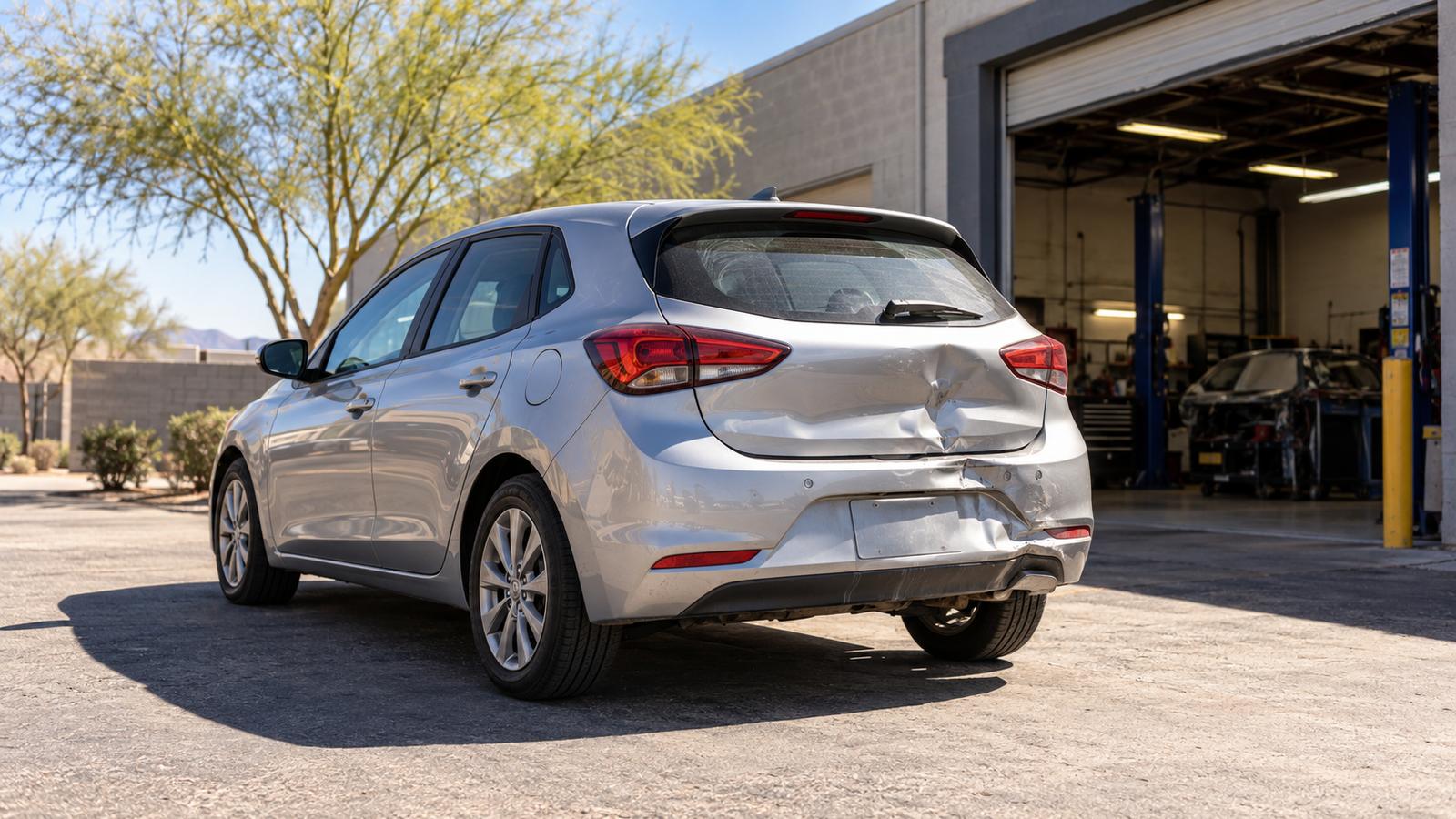
In 2025, auto claims came in under plan. Fewer serious accidents than we expected, and repair costs that rose more slowly than the year before. Auto premiums for the year were about $324 million. The board kept part of the difference as surplus and returned the rest: a dividend of 5 percent of each policy's 2025 auto premium.
Why only auto
Home members did not get a dividend this year, and several wrote to ask why.
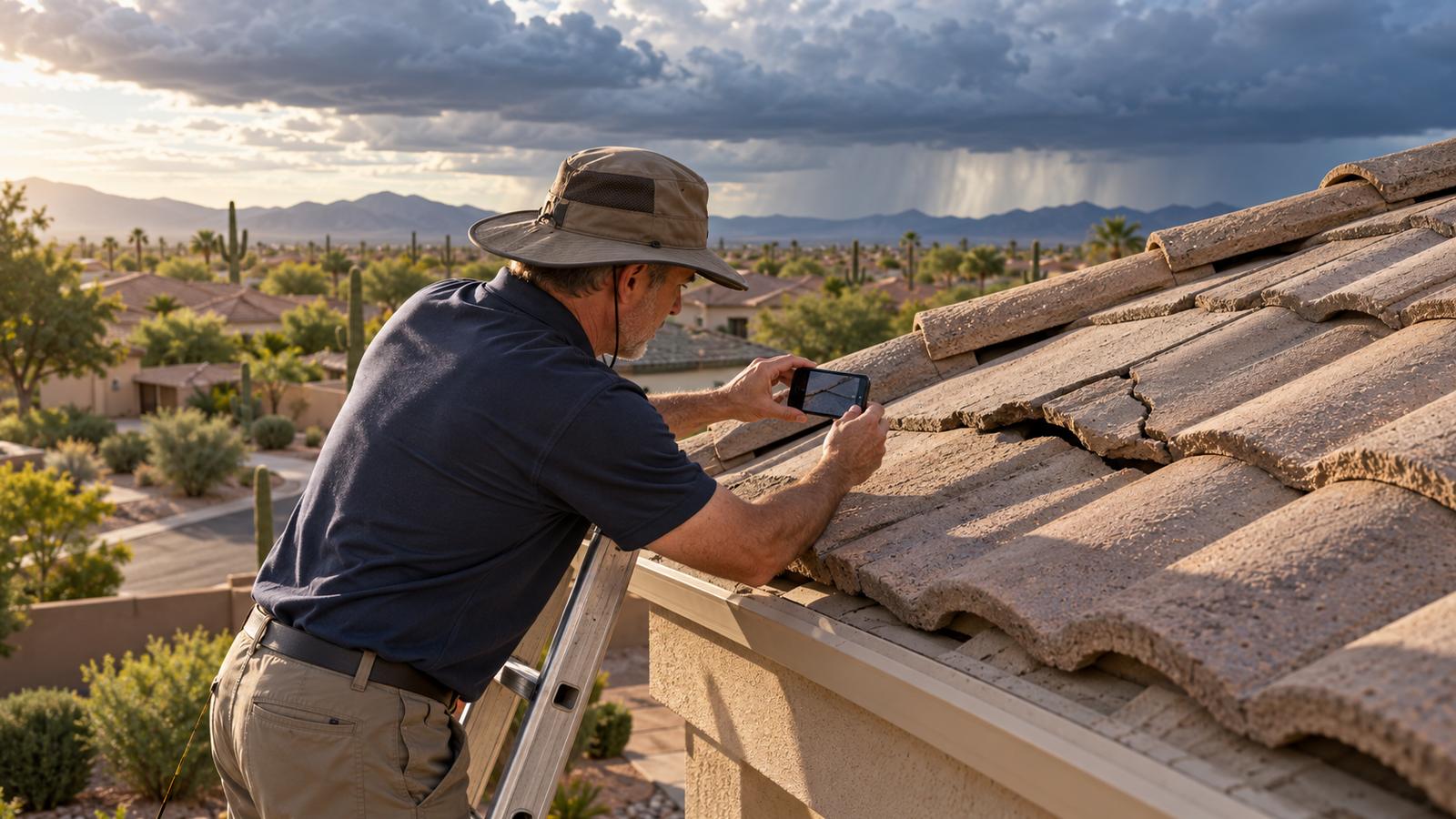
The plain answer is wildfire. The fires of late 2024 and early 2025 were the costliest since 2003 for our home book, and the board decided that surplus from home premiums should go back into reserves before any of it went back to members. "A dividend paid in a year when we should be rebuilding reserves is money we would have to take back later, through prices," Warren said. "That is not a favor to anyone."
Each line is looked at on its own. A home dividend is possible in a future year; it was not possible in this one.
It's not the money exactly. It's the letter telling you why. Nobody else I've ever paid a bill to has written to explain where my money went.
Lorraine Beck, YumaOne member's check
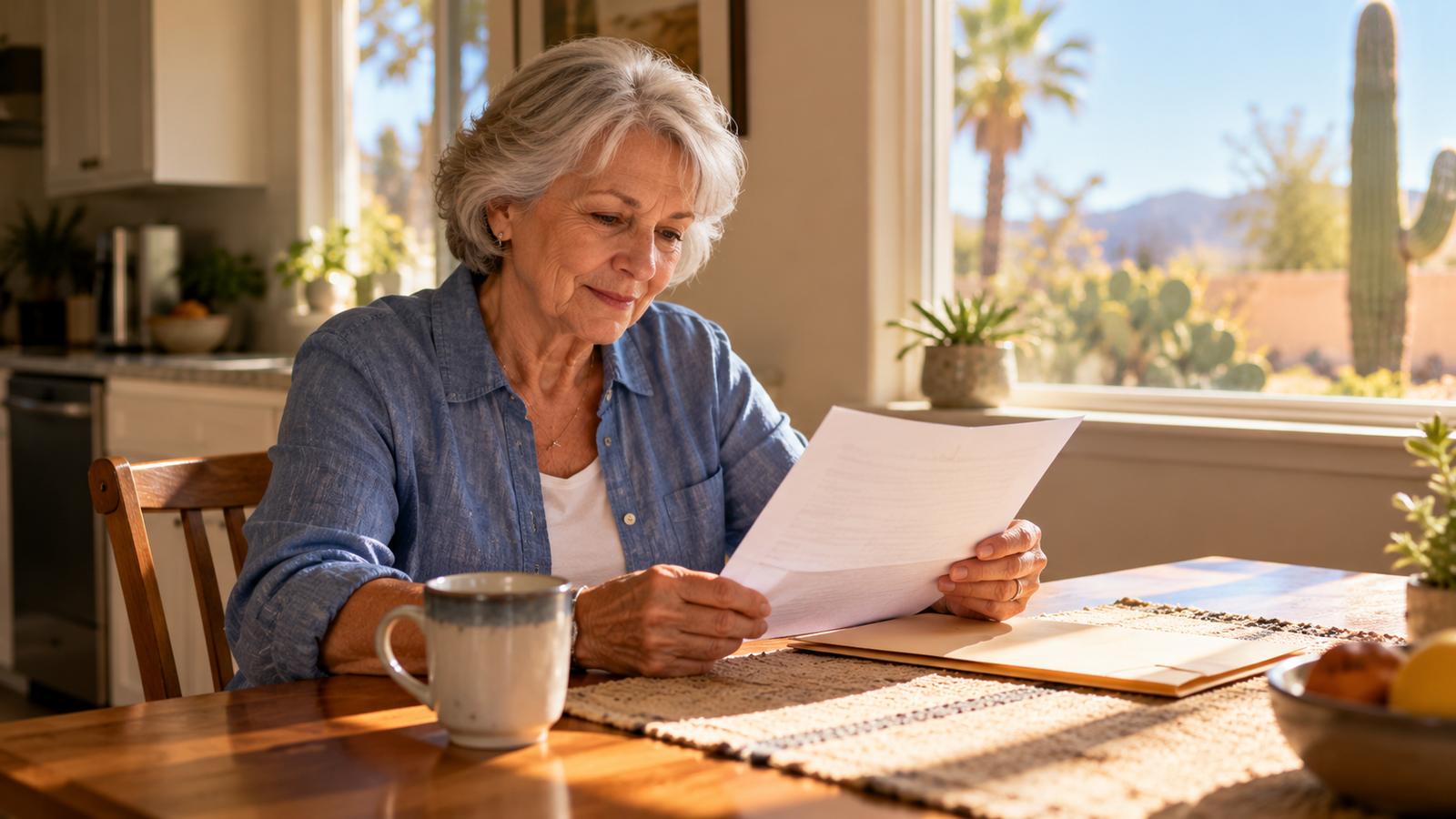
Lorraine Beck taught seventh-grade science in Yuma for thirty-one years. She bought her first Harborline policy in 1987, through an agency on 4th Avenue that is still there, and has voted in the annual meeting by mail every year since she retired.
Her dividend this year is $112, as a credit on her May bill. She has kept a list of every dividend since 1990, in pencil, inside the cover of the folder where she keeps her policy. Some years have a dash. 2024 has a dash.
"People ask me why I don't shop around," she said. "I did, once, about ten years ago. I'd have saved forty dollars. Then I thought about who I'd be calling at two in the morning if the car broke down outside Gila Bend. I stayed."
The 2026 dividend
- Declared by the board on March 12, 2026.
- 5 percent of each auto policy's 2025 premium.
- For auto policies in force on December 31, 2025, in both states.
- About 181,000 policies, $16.2 million in all, an average of about $90.
- Paid in April as a credit on the next bill, or by check on request.
What a dividend is not
It is not guaranteed. The board has declared a member dividend in 38 of the last 50 years, and there will be more years with a dash. A member who buys a policy expecting a dividend is buying it for the wrong reason.
It is also not a discount in disguise. The price of your policy is set to cover the risk, and a dividend comes afterward, from the result. If it were built into the price, it would not be a dividend.
For most members a dividend on a personal auto policy is treated as a return of premium rather than as income, but this is not tax advice. Ask your tax adviser if you are unsure.
Who decides
The board of directors, elected by members. Management recommends an amount; the board can and sometimes does change it. In 2026 the recommendation was 4.5 percent and the board raised it to 5. The vote, and the reasons for it, are reported to members at the annual meeting in May.